
Why I Wrote CipherGhost
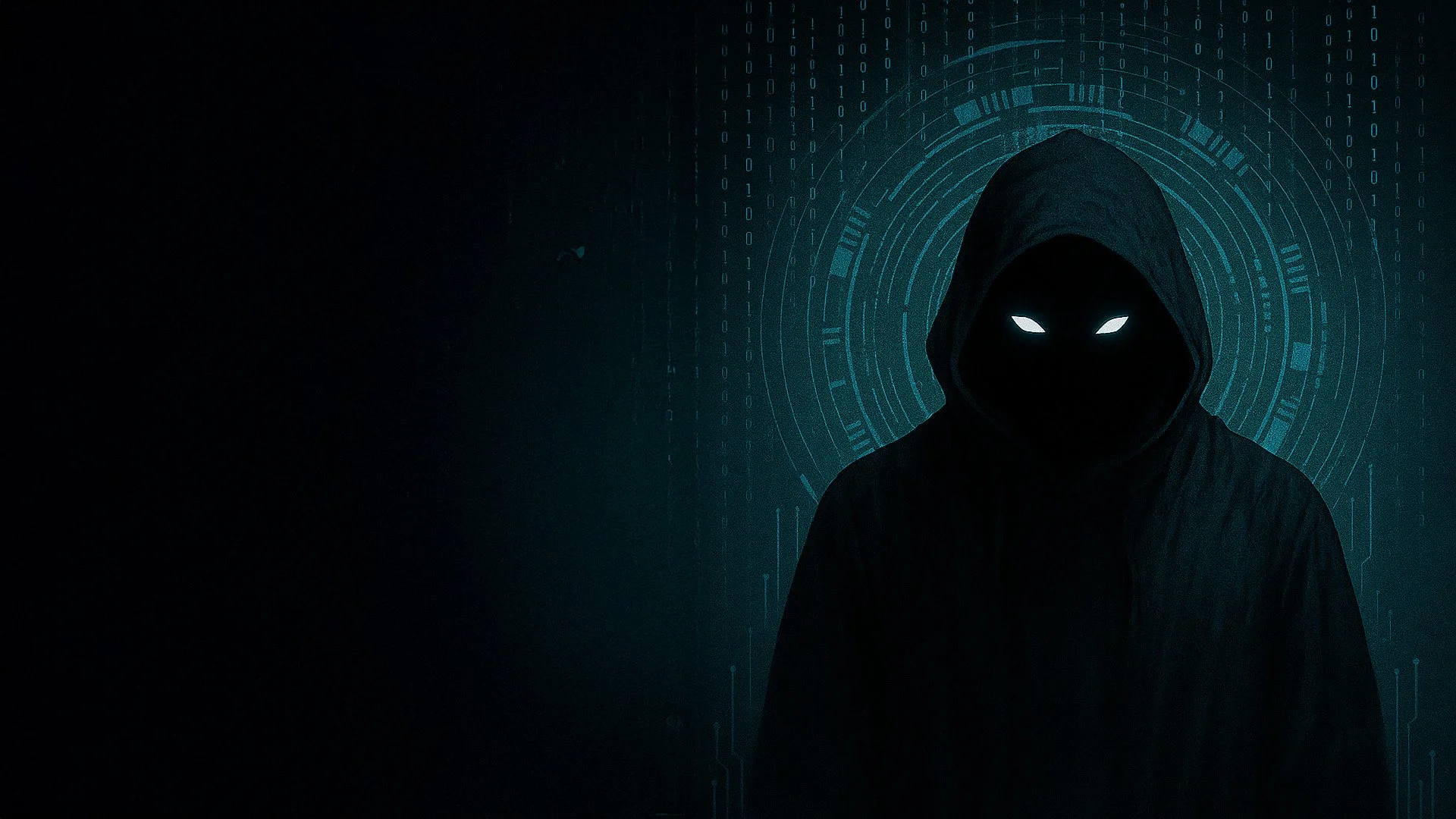
When I sat down to write CipherGhost, it wasn’t just to tell a story—it was to say what I couldn’t say during my 20 years in the military. It was to finally give voice to the thoughts, concerns, and truths I had been forced to suppress. This book became my outlet, my mirror, and my message.
CipherGhost was born from the world around us. The societal rifts. The hunger for control. The quiet wars happening in plain sight—between classes, races, ideologies. This story reflects it all, especially in the United States, where people live in such close proximity and yet feel oceans apart, constantly striving to surpass each other by any means necessary.
What is CipherGhost about at its core?

This book is about grit and change—about what happens when someone refuses to be defined by how the world sees them. It’s about changing your own fate, knowing that every choice carries a consequence. Set in a world of sharp divides and blurred lines, it explores how several different socioeconomic groups exist within a seven-block radius—and what pulls them together or rips them apart.
What themes or questions does it explore?
It tackles AI domination, resilience, racial tension (even within families), growth, trauma, and the universal need to be seen and heard. It questions what it means to survive, who gets to lead, and how far society will go to either maintain the status quo or break it. There’s a loss. There’s defiance. There’s hope.
Who is the central character, and what is their struggle?
Maya. A biracial young woman whose very existence is a reflection of contrast and conflict. She looks like her mother. Her brother looks like their father. But that surface difference masks a deep fracture—personal, familial, societal. Maya is tested again and again by grief, by injustice, by forces beyond her comprehension. But she never stops pushing forward.
What do I want readers to feel after finishing the book?
Excitement. Curiosity. Urgency. I want them to be invested in the characters—whether they love them, relate to them, or even hate them. I want them to be left questioning what’s real and what’s possible. If the world really did tip into an AI-dominated era, what would happen? Could CipherGhost be real?
What makes CipherGhost different from other sci-fi or tech thrillers?
It doesn’t just deal with AI and surveillance. It weaves in spirituality, Egyptian glyphs, emotional intelligence, and moral ambiguity. It doesn’t preach—but it asks big questions. And it does so through a cast of characters who aren’t superheroes, but survivors.
What was the hardest part of writing this book?
Avoiding personal bias. As much as I wanted to write about change, I didn’t want to dictate who readers should like or trust. Maya is complex. So are her allies and her enemies. Some readers may connect deeply with her. Others may not. That’s okay. As long as they feel something, I’ve done my job.
Is there a deeper message or truth I hope readers walk away with?
Absolutely. Fear of the unknown should not divide us. When emotion, technology, and control intersect, the results can be catastrophic—but also transformative. The world can burn or be rebuilt, depending on the choices we make. CipherGhost is about those choices.
Thank you for entering this world with me.
—Victor L. Gardner Jr.